No deal in Beijing: machinery caught in the middle
The 25th EU-China Summit ended without a trade breakthrough. For machinery producers, the official statements made the next points of conflict clearer: market access, industrial capacity and critical raw materials.
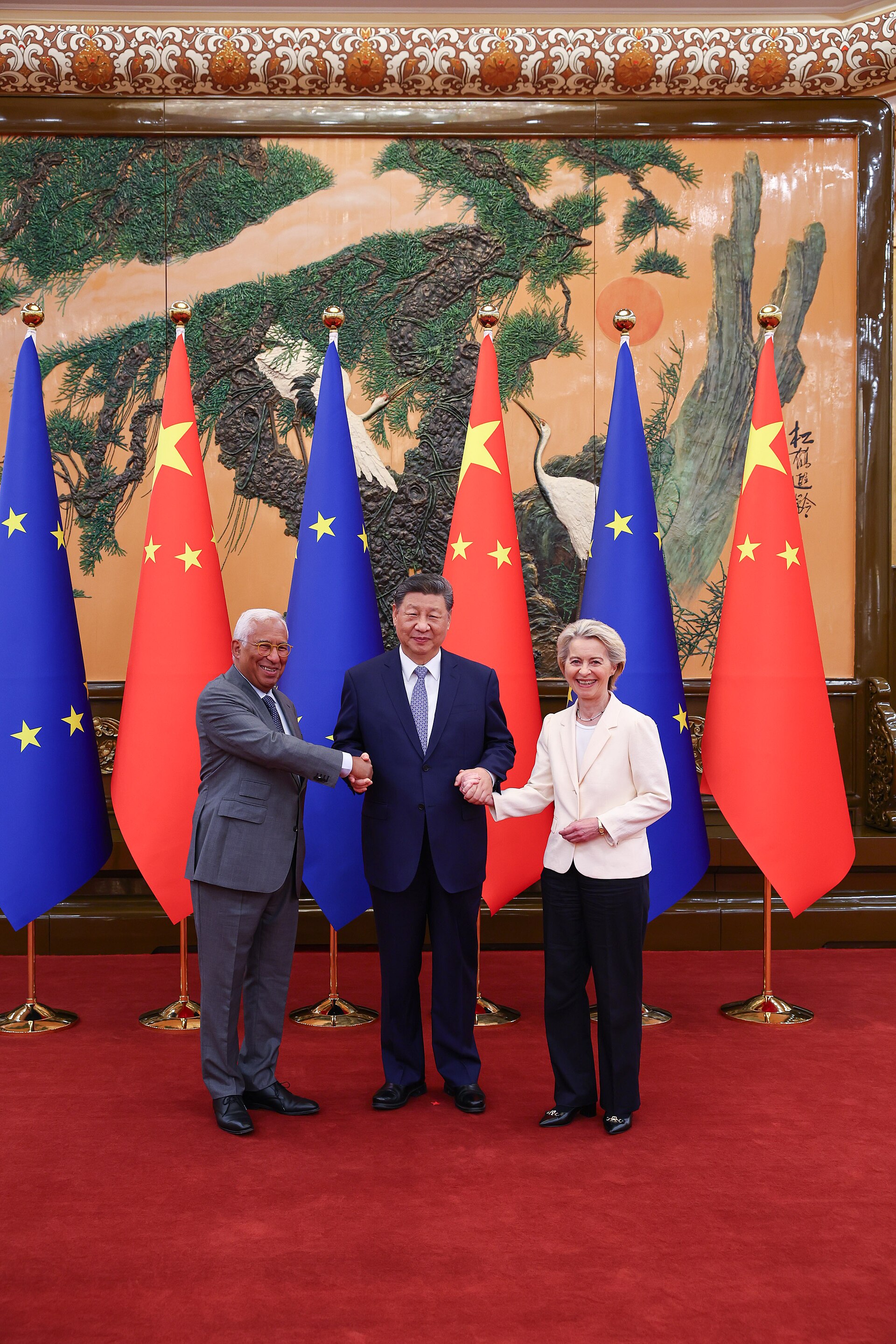
EU and Chinese leaders meet in Beijing on 24 July 2025. Photo: Christophe Licoppe / European Union via Wikimedia Commons, CC BY 4.0. The page uses a cropped version. Source and licence
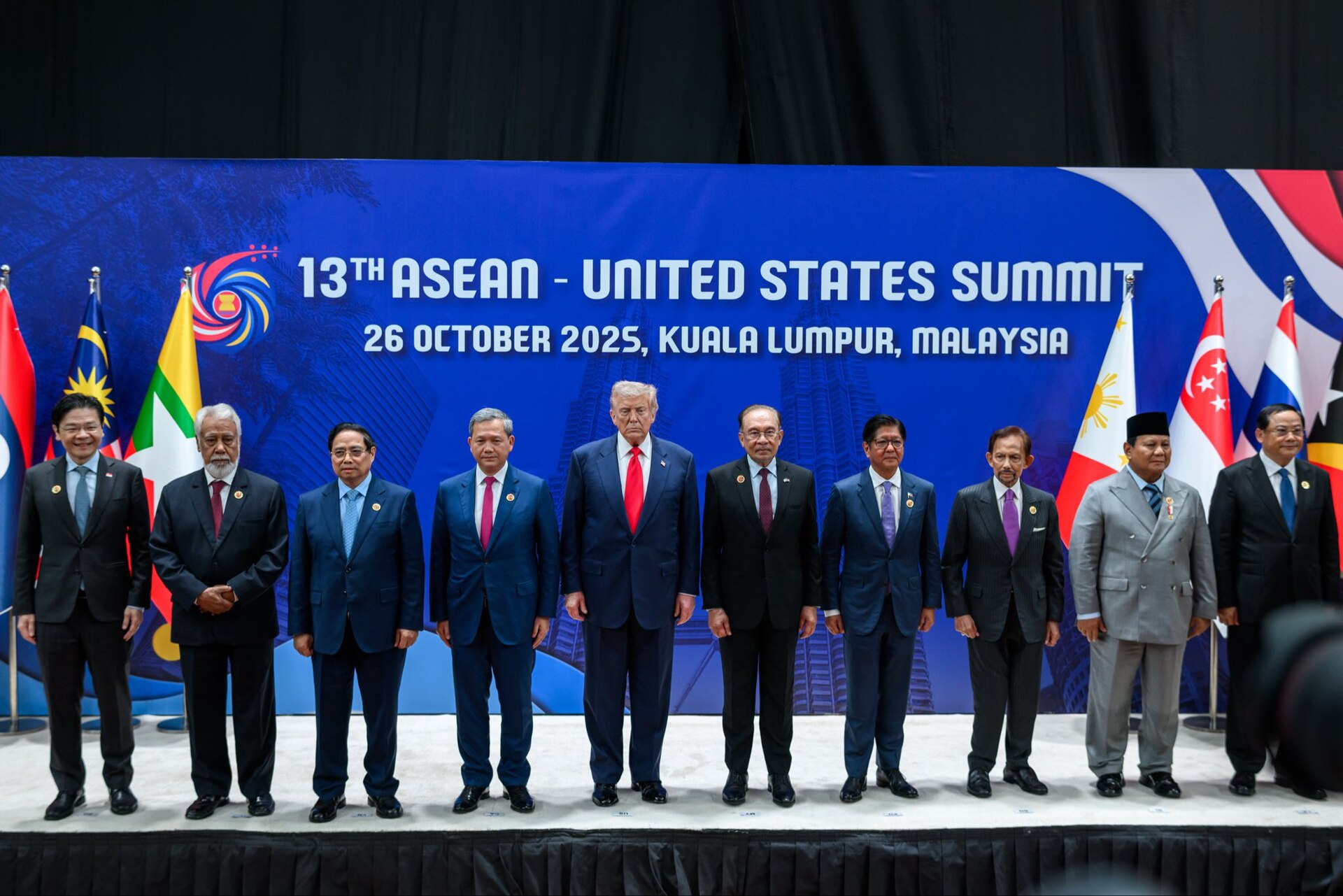
The Beijing meeting on 24 July produced no major agreement. Its value lay in the gap between the two official accounts. The EU concentrated on trade imbalances, market access, industrial capacity and export controls. China defended economic complementarity and openness, and called for balance through development. The dispute was no longer hidden behind diplomatic language. European Council China's Foreign Ministry
Why machinery companies felt the pressure first
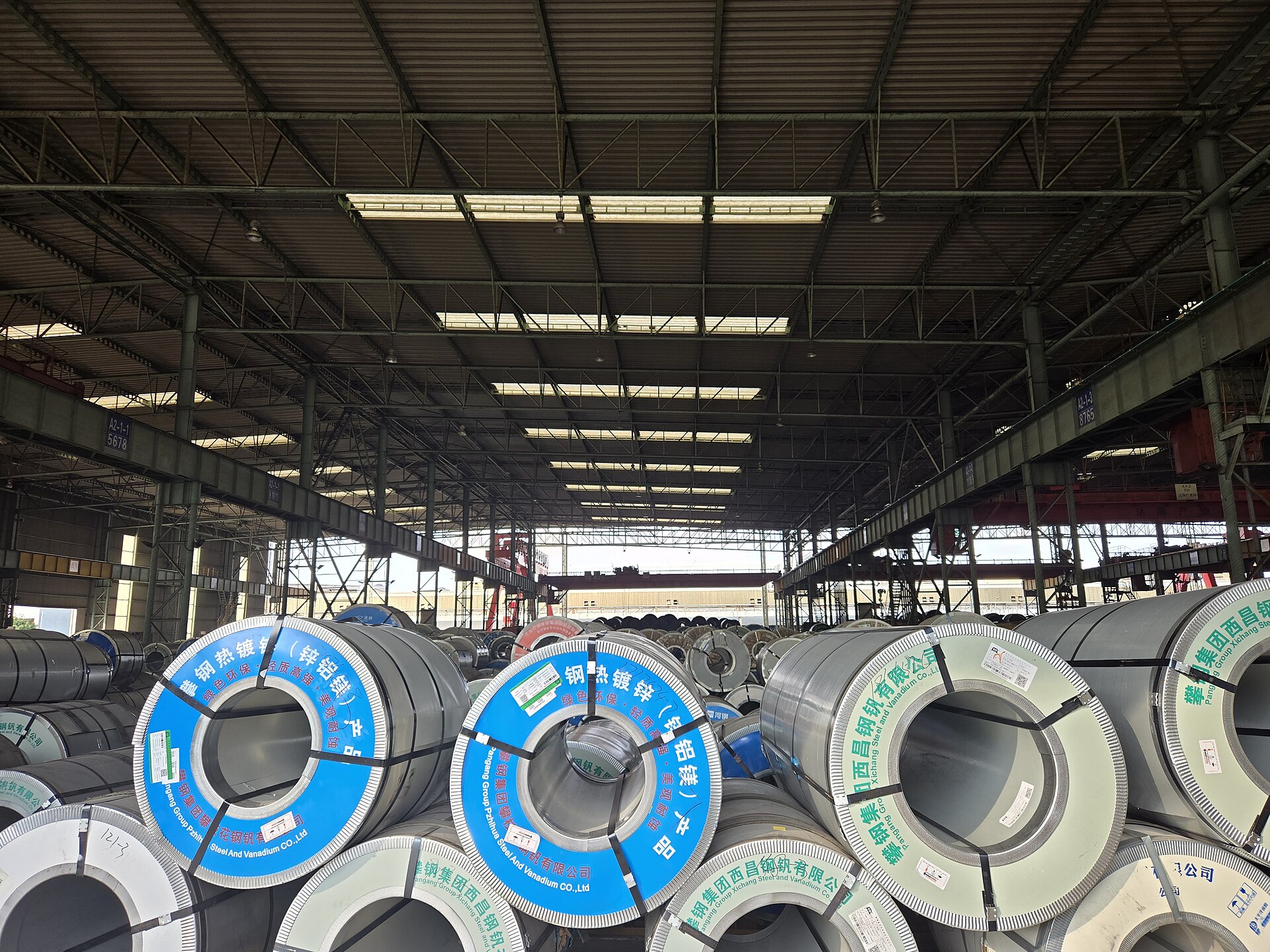
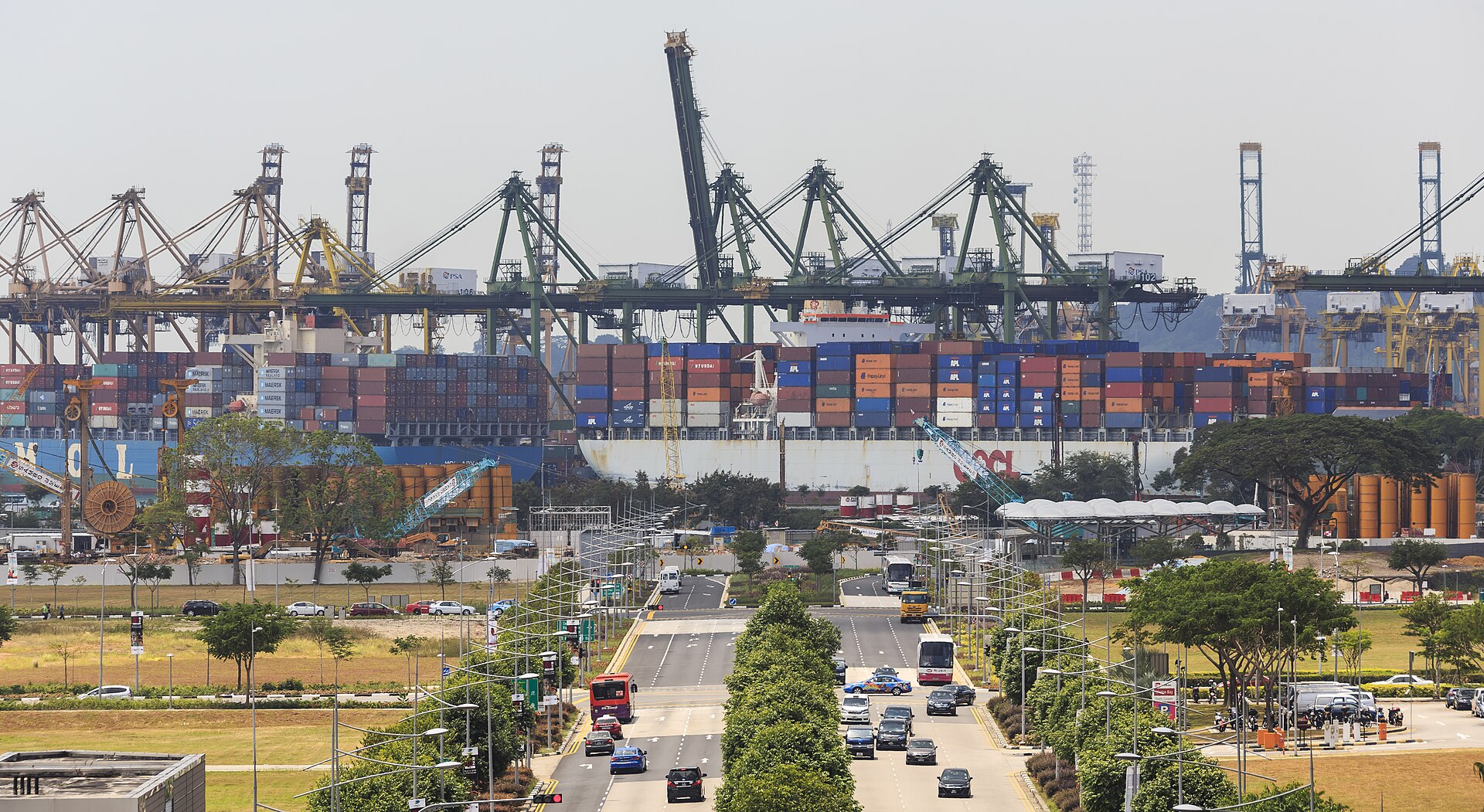
The political argument rests on a large commercial imbalance. Two-way goods trade reached about €730 billion in 2024, while the EU recorded a €305 billion goods deficit with China. That figure is not a measure of losses in the machinery sector, but it shapes policy. If officials treat the imbalance as structural, anti-subsidy cases and local-content rules are more likely to become routine. Public procurement and market access will face closer scrutiny as well.
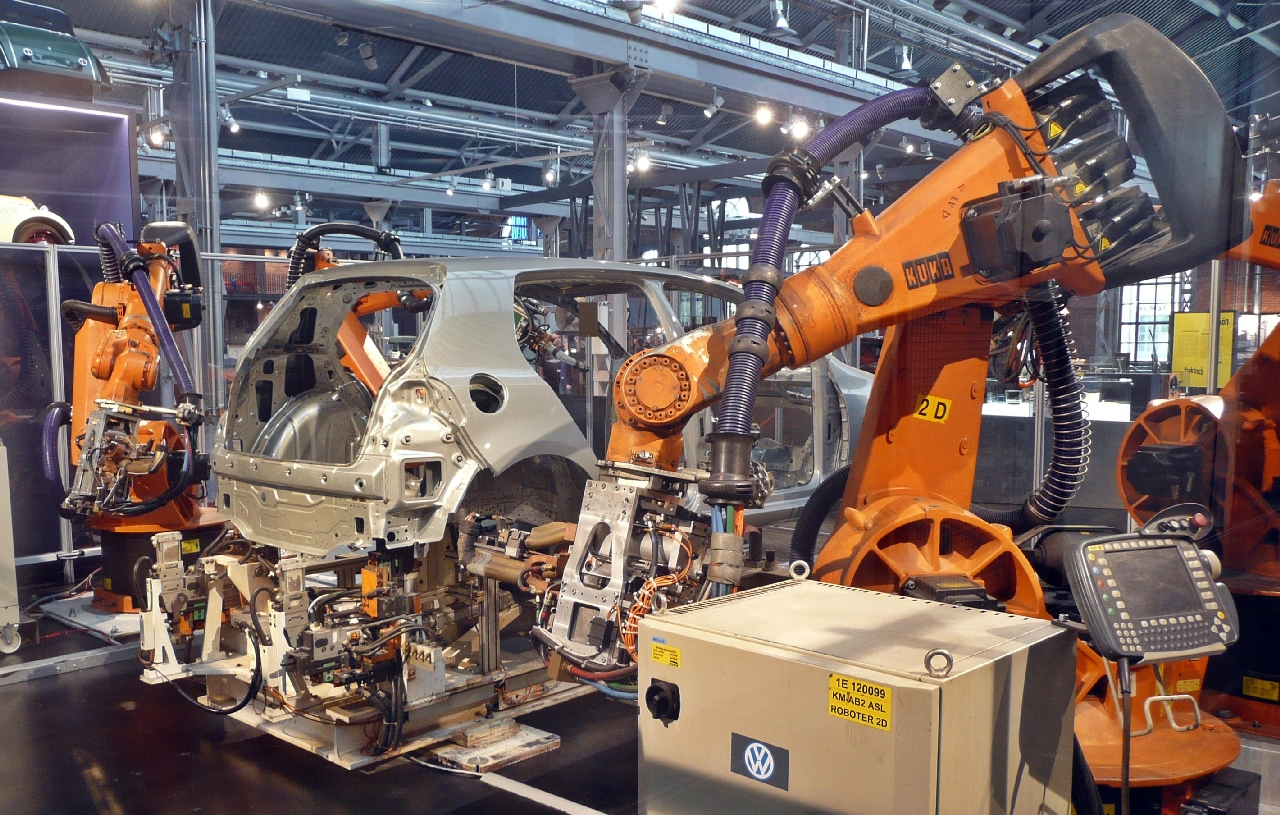
For equipment makers, rare earths and permanent magnets are production inputs rather than diplomatic abstractions. They sit inside servo motors, industrial robots, wind turbines and precision drives. One more export licence can delay an entire machine, even when the raw material cost barely changes. Procurement teams therefore need alternative suppliers, larger buffers and clear contract terms for late delivery.
Fair competition comes with a higher operating bill
VDMA's China position paper asks for fairer competition while it continues to describe China as an important market. German manufacturers now have to fund both positions. Compliance work, data controls, export rules and supply-chain records all add cost. For a smaller Mittelstand company, one regulatory change may require fresh certification, a revised software interface or a second version of the same machine. VDMA China position paper
The summit did not reduce risk. It showed companies where the cost is likely to rise.
For GMECS, the useful work begins after the press conference. Companies need standards lists, compliance notes and sector updates that translate political disputes into decisions for procurement teams, engineers, sales managers and boards.